
Romania Work Permit for Indians: Process & Documents
Romania Work Permit for Indians: Process & Documents Work Permit Guidance Romania Work Permit for Indians: Process, Documents and Important Checks A practical guide to employment routes, visa formalities, document preparation and pre-departure checks. Introduction Romania is an increasingly important destination for international workers seeking employment opportunities in Europe. With opportunities across industries such as construction, manufacturing, hospitality, transportation and skilled technical services, Indian candidates may consider Romania for their overseas career plans. However, securing employment in Romania involves more than receiving a job offer. Candidates must follow the applicable immigration procedure, prepare the correct documents and ensure that their employment arrangements comply with Romanian regulations. Understanding the Romania work permit for Indians process can help applicants avoid documentation errors, misleading recruitment promises and unnecessary delays. In this guide, we explain how the Romania work visa from India process works, which documents candidates may need, and what to check before accepting an employment offer. 1. What Is a Romania Work Permit? A Romania work permit is commonly used to describe the legal authorisation and immigration arrangements that allow a foreign national to work for an employer in Romania. Under the updated 2026 framework, Romania uses an electronic single-application procedure through the official WorkinRomania.gov.ro platform for employment-related immigration routes. Depending on the worker’s category and job, the application may follow one of two main routes: D/AM1 Primarily for highly qualified workers and certain special employment categories. D/AM2 For permanent and seasonal workers who meet the applicable eligibility requirements, including occupation-related conditions. The relevant application is submitted by the Romanian employer or an authorised placement agency, depending on the route. A foreign worker cannot independently submit the single application on their own. Understanding which route applies to your employment category is an important first step. 2. Types of Romania Employment Visa: D/AM1 and D/AM2 Before applying for a Romania employment visa, candidates should understand the difference between the two main employment routes. D/AM1 Employment Visa The D/AM1 route primarily covers highly qualified foreign workers employed in positions requiring advanced professional skills or higher qualifications. It may also cover certain special categories, including eligible teaching, scientific, artistic and professional sports activities. For highly qualified employment, the employer must meet the relevant qualification, contract and salary conditions. The Romanian employer is responsible for submitting the single application through the official digital platform. D/AM2 Employment Visa The D/AM2 route covers permanent and seasonal workers who do not qualify under the D/AM1 category. For this route, the occupation must generally appear on Romania’s applicable list of shortage occupations. The process is normally managed through an authorised foreign-worker placement agency. Certain authorised employers may also submit applications directly when they meet the applicable requirements. The relevant employment, placement and service contracts must be prepared according to the selected route. Important: Not every job offer automatically qualifies for a Romanian employment visa. Eligibility depends on the occupation, employer, worker’s qualifications and the applicable immigration requirements. 3. Romania Work Visa from India: Step-by-Step Process If you are planning to apply for a Romania work visa from India, understanding the application process can help you prepare in advance. Step 1: Find a Genuine Job Opportunity The first step is to secure a genuine employment opportunity with a Romanian employer. Before accepting an offer, check: Employer’s registered business details. Job title and actual responsibilities. Required qualifications and experience. Monthly gross and net salary. Employment duration. Working hours and overtime arrangements. Accommodation and transportation conditions. Do not make a decision based only on verbal promises or recruitment advertisements. Step 2: Confirm Your Employment Category Your employer or authorised recruitment agency should establish which immigration route applies to your position. For example, a permanent worker may need to follow the D/AM2 route if the job and other eligibility conditions are satisfied. The D/AM2 occupation must meet the applicable shortage-occupation requirement. Step 3: Complete the Digital Application The Romanian employer or authorised placement agency submits the single application through WorkinRomania.gov.ro. Depending on the route, the application may contain: Employer and candidate information. Job offer and employment details. Professional qualifications and experience. Salary and working conditions. Employment contract. Placement and service contracts, where applicable. Other supporting documents. The Romanian authorities assess the application and verify the relevant employment and eligibility conditions. Step 4: Complete the Employment Visa Formalities After the single application is approved, the candidate proceeds with the employment visa formalities at the competent Romanian diplomatic mission or consular office. The applicant must follow the applicable instructions, present the original travel document and supporting evidence, and complete biometric formalities where required. The exact appointment procedure and document requirements should be checked through the official Romanian visa system. Step 5: Receive Your Romania Employment Visa Once the application is approved, the long-stay employment visa allows the candidate to enter Romania for the authorised employment purpose. The D/AM1 and D/AM2 employment visas generally have an initial validity of 90 days. Candidates should verify the visa details, permitted dates and employment information before travelling. Step 6: Travel to Romania and Obtain a Residence Permit After arriving in Romania, foreign nationals intending to stay for employment beyond 90 days must follow the residence-permit procedure. The application is submitted to the relevant territorial office of the General Inspectorate for Immigration (IGI) before the employment visa expires. The supporting documents generally include the passport, employment visa, employment contract, accommodation evidence, health insurance and applicable fee documents. Completing this step is important for maintaining legal residence and employment status in Romania. 4. Romania Work Permit Documents: Complete Checklist for Indian Applicants Preparing the correct paperwork is one of the most important parts of the application. The exact Romania work permit documents depend on the employment category and whether the application follows the D/AM1 or D/AM2 route. However, the following checklist covers the main documents candidates should prepare. Document category Documents to prepare Personal documents Valid Indian passport or other accepted travel document; recent passport-size photographs; completed and signed visa application form; criminal record certificate or Police Clearance Certificate, where required;
Romania Skill Development Program: Eligibility, Required Documents and Application Process

A skill development programme in Romania may offer an opportunity to gain practical experience, develop occupational skills or prepare for an international career. However, before applying, Indian candidates should understand the eligibility requirements, documents and immigration process that apply to their particular programme. One important distinction is that “Romania Skill Development Program” is not, by itself, a universal visa category. The correct process depends on whether you are joining an unpaid vocational training programme , pursuing formal studies or travelling to Romania for employment. Romania’s official guidance distinguishes these pathways. A training agreement does not automatically provide permission to work, and admission to a programme does not guarantee visa approval or future employment. This guide explains the main eligibility considerations, document checklist, application steps and precautions Indian candidates should take before committing to a programme. What Is a Romania Skill Development Program? A skill development programme generally focuses on practical learning and occupational preparation rather than academic study alone. Depending on the actual programme, training might involve technical instruction, supervised practical sessions or industry-related learning. However, the name used in a private advertisement does not establish the programme’s legal status, curriculum, duration or certification. Before applying, confirm the following details directly with the programme provider: Request these details in writing. Do not assume that every programme has the same duration, eligibility criteria or employment pathway. Eligibility for a Romania Skill Development Program There is no single eligibility checklist that applies to every programme advertised under this name. Candidates should first identify the correct legal route. 1. Eligibility for an unpaid professional training programme Romania’s official eViza guidance and the European Commission’s trainee guidance describe conditions for qualifying third-country nationals participating in professional training. Under the published trainee route, applicants generally need: These conditions apply to the specific trainee pathway. They should not be presented as universal requirements for every Romanian course or private skill development scheme. Official references: 2. Eligibility for a formal study programme Candidates admitted to a recognised educational programme must follow the requirements applicable to that course and the relevant study visa category. The institution, course type, admission documents and planned duration can affect the application. A professional training course should not automatically be treated as a university programme, and a study visa should not be assumed to authorise employment. For official guidance, consult Study in Romania and the Romanian eViza portal. 3. Eligibility for an employment opportunity If the programme includes a genuine job or leads to a separate employment offer, the employment requirements must be assessed independently. Romania’s official WorkinRomania portal describes the D/AM1 and D/AM2 work visa routes in its 2026 guidance. Eligibility depends on the nature of the job, the candidate’s qualifications where applicable, the employer and the relevant legal requirements. For the D/AM2 route, the occupation must meet the applicable shortage-occupation requirements, and the procedure generally involves an authorised placement agency unless an authorised employer qualifies to submit the application directly. The candidate does not independently submit the entire single employment application on their own. Official reference: WorkinRomania.gov.ro — Visas and residence. Documents Required for a Romania Skill Development Program from India The exact checklist depends on the route and the Romanian mission responsible for the application. The following checklist is a preparation guide, not a universal consular document list. Essential personal documents 1. Valid passport Check that your passport meets the validity and issuance requirements applicable to the visa. Romania’s eViza guidance specifies that the travel document must remain valid for at least three months beyond the visa’s validity and must have been issued no more than ten years earlier. 2. Recent photographs Prepare photographs in the format required by the relevant application checklist. Romania’s published supporting-document guidance specifies two recent colour photographs measuring 3 × 4 cm. 3. Visa application and appointment details Complete the application process through the appropriate official channel and retain your application confirmation, appointment details and any requested supporting records. 4. Educational certificates Keep your relevant certificates, transcripts and proof of current studies ready. For an unpaid trainee application, documentation demonstrating the required higher education qualification or ongoing qualifying course is particularly important. Programme-related documents 5. Admission confirmation or training agreement Obtain formal evidence that the training provider has accepted you. For an unpaid professional training programme, the agreement should clearly describe: Do not rely only on a promotional brochure or a verbal promise. 6. Financial means Prepare the evidence required to demonstrate that you can support yourself throughout the relevant period. The official trainee guidance refers to a financial threshold linked to Romania’s applicable minimum gross salary level. The amount can change. Confirm the current requirement with the official authority rather than relying on an old figure in an online article. 7. Accommodation evidence Obtain written confirmation of the accommodation arrangements and clarify who is responsible for the cost, address, duration and any deposit. 8. Host entity undertaking The published trainee requirements include a written undertaking from the host entity concerning reimbursement of certain public costs if the trainee remains illegally in Romania. Confirm that the correct document is provided for the route you are applying under. Additional documents for other visa categories Additional evidence may be required depending on the legal route and the consulate’s instructions. For example, the employment visa checklist may include an employment contract, criminal record certificate, medical insurance and evidence of financial means. The D/AM2 employment route also involves the relevant placement and service contracts. These employment-related requirements should not be confused with the checklist for an unpaid professional training application. Check the latest requirements at the official Romanian eViza supporting-documents page before submitting your application. Romania Skill Development Program Application Process: Step by Step Step 1: Identify the exact programme and visa category Ask the provider to clarify whether you will be undertaking unpaid professional training, formal studies or employment. This determines which eligibility criteria, documents and application process apply. Do not select a visa category based only on the name of a programme. Step 2: Verify the
Common Immigration Challenges and How to Overcome Them

Suspendisse id libero pellentesque, condimentum dui sed, vestibulum turpis. Pellentesque eu tortor ut orci rhoncus vestibulum. Vestibulum placerat porta sem eu viverra. Nulla interdum nibh sit amet convallis laoreet. Integer sit amet dolor ac lectus semper mollis. Proin et porttitor velit. Mauris commodo nunc neque. Sed hendrerit consectetur lectus ac feugiat. Nullam et cursus quam. Donec a erat urna. Pellentesque quis venenatis massa. Quisque tristique nibh nec facilisis ullamcorper. Nam ut auctor ante.
The Impact of COVID-19 on Immigration
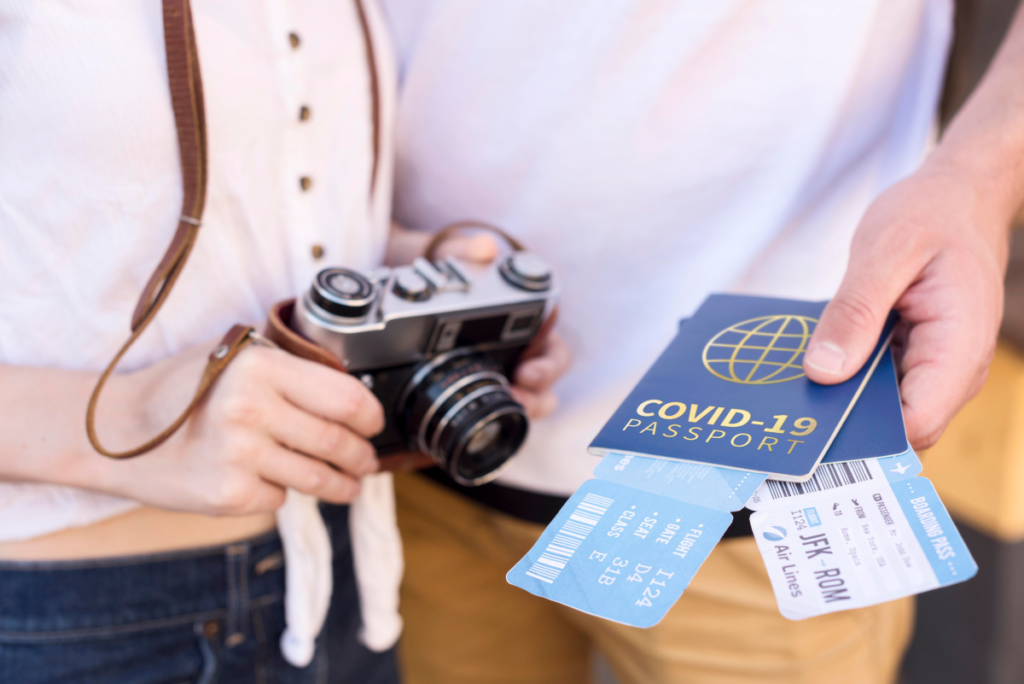
Suspendisse id libero pellentesque, condimentum dui sed, vestibulum turpis. Pellentesque eu tortor ut orci rhoncus vestibulum. Vestibulum placerat porta sem eu viverra. Nulla interdum nibh sit amet convallis laoreet. Integer sit amet dolor ac lectus semper mollis. Proin et porttitor velit. Mauris commodo nunc neque. Sed hendrerit consectetur lectus ac feugiat. Nullam et cursus quam. Donec a erat urna. Pellentesque quis venenatis massa. Quisque tristique nibh nec facilisis ullamcorper. Nam ut auctor ante.